Peresmian Batik Corner & Pameran Batik Jawa Timur
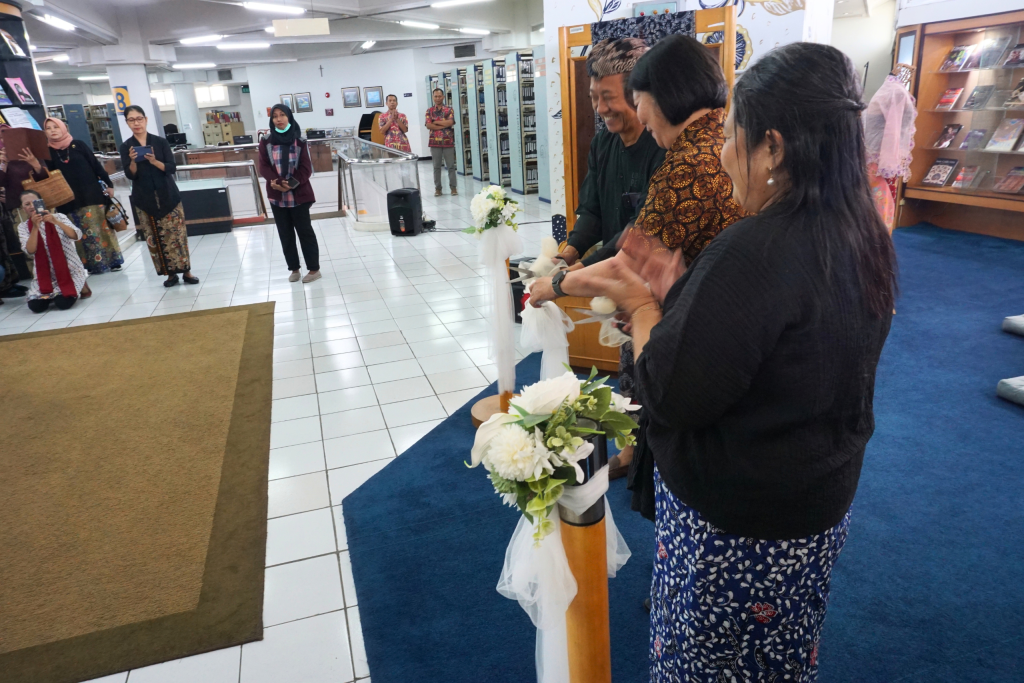
Batik is one of the special collections at the Petra Christian University Library, which has been developed and assembled gradually in various forms. It is represented not only by physical books documenting the history, philosophy, variety of motifs, and evolution of batik, but also by a digital collection featuring the artistic works of Petra Christian University students. This collection is part of the library’s effort to ensure that knowledge is not merely stored away, but can continue to be studied, discovered, and passed down. From this collection, an idea took root. Together with KIBAS (Yayasan Batik Jawa Timur), a dream emerged to create a more vibrant space-a place where batik is not only read about but can also be seen, recognized, understood, and appreciated. Thus, the concept of the Batik Corner was born. Batik Corner is intended to serve as an educational space and a resource for researchers and anyone who wishes to learn more about batik. It is a small space with great significance: bringing together knowledge, art, culture, learning, and the community under one roof. What makes this journey even more special is that Batik Corner is not merely a space created by adults for students. Instead, this space is brought to life by the creativity and learning of students through the Service Learning course “Interior Design and Styling for Cultural Spaces” in the Interior Design and Styling Program at the Interior Design Department of Petra Christian University. Through the process of learning, discussing, designing, and creating, the students bring their ideas to life, translating cultural values into a space that is engaging, meaningful, and relevant to today’s generation. Some of the books on display at the Batik Corner are donations from KIBAS members. Meanwhile, the batik fabrics on display are part of the collection belonging to the Chairperson and members of KIBAS, who have generously lent them to enrich visitors’ experience. This simple Batik Corner is intended to serve as a reminder that preserving culture doesn’t always have to start with something grand. For when knowledge, creativity, and care come together, cultural heritage is not merely preserved for remembrance but brought to life to be passed on. The Batik Corner, located in a corner on the 8th floor of the Petra Christian University Library, was officially inaugurated on Saturday, September 12, 2026, by the First Vice Rector of Petra Christian University, Dra. Leenawaty Limantara, M.Sc., Ph.D., along with the Head of the Petra Christian University Library, Dian Wulandari, S.IIP, and the Head of KIBAS, Dr. Ir. Lintu Tulistyantoro, M.Ds, in the presence of donors of batik-related books and batik enthusiasts.
Pasar Batik & Edukasi Batik Jawa Timur
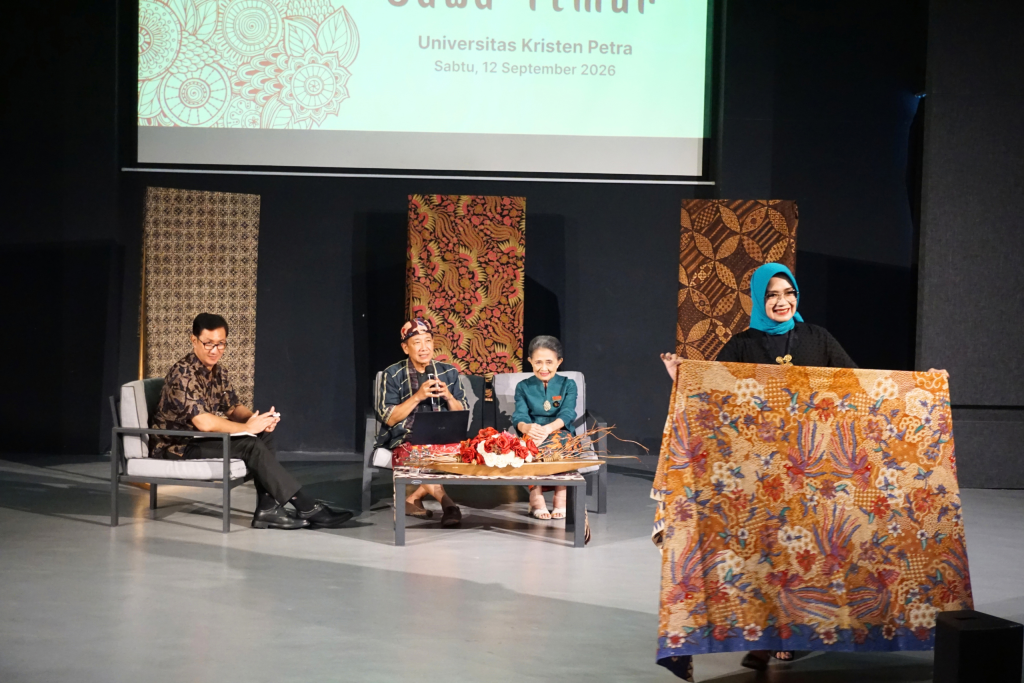
The East Java Batik Market and Education Event on Saturday, September 12, 2026, was held through a collaboration between the Petra Christian University Library, KIBAS (Yayasan Batik Jawa Timur), the Wastraprema Association, and the Surabaya Branch of KCBI as an effort to introduce, preserve, and foster public appreciation for the rich heritage of East Java Batik. The Batik Market featured 13 Micro, Small, and Medium Enterprises (MSMEs) from various Batik business backgrounds. The presence of these MSMEs provided an opportunity for the public to learn about and purchase East Java batik products directly. The event was opened by the Chairwoman of the East Java Dekranasda, Arumi Bachsin. During the opening remarks, she noted that this event serves as a form of support for MSME entrepreneurs and a means to introduce Batik as part of East Java’s cultural heritage to the broader public. In addition to the Batik Market, the main activities focused on education about East Java Batik. The educational materials provided participants with insights into the diversity of Batik, its cultural value, and the stories behind each Batik motif. The collaboration between the Libraryatpetra, KIBAS, Wastraprema, and KCBI is expected to serve as a meeting place for the public, MSME entrepreneurs, communities, and cultural activists. Through this event, Batik is introduced not only as a fashion product but also as a cultural heritage that holds historical significance, represents identity, and offers economic potential for the people of East Java.